
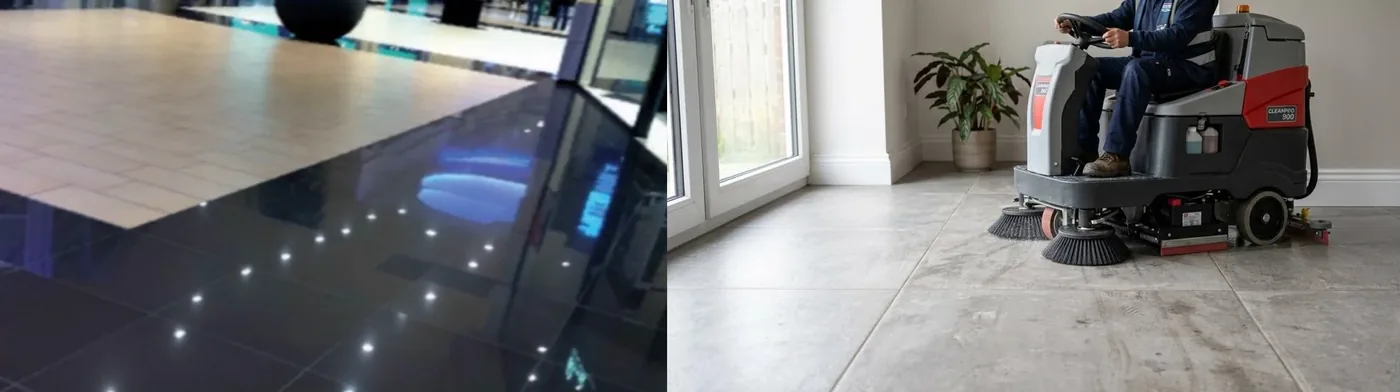
Porcelain stoneware is often chosen precisely because it “doesn't get damaged”. It is hard-wearing, but even the glossiest ceramic has micropores that trap dirt, marker pen and stains, and textured or stone-effect finishes can be difficult to clean. Knowing the typical problems makes it possible to anticipate them at the design stage.
1. The site haze that won't come off
Grout and cement residues leave a grey haze, especially on matt finishes. It must be removed with a cleaner specifically for porcelain stoneware that does not attack the surface.
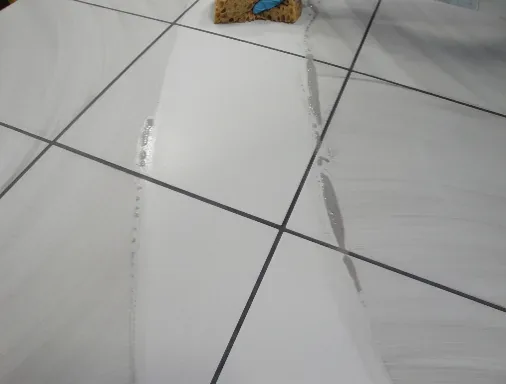
2. Packaging marks and shade variations
Marks left by the back of the tiles in the packaging, or slight shade variations between batches, are frequent complaints once installation is complete. The marks can be removed with a dedicated cleaner; for shade defects there are protectors that revive and even out the colour.
3. Finishes that trap dirt
On textured, stone-effect or very rough surfaces, dirt settles in the micro-reliefs and routine cleaning is not enough. A pore-filling dirt-repellent finish makes them easier to clean, including with machines.

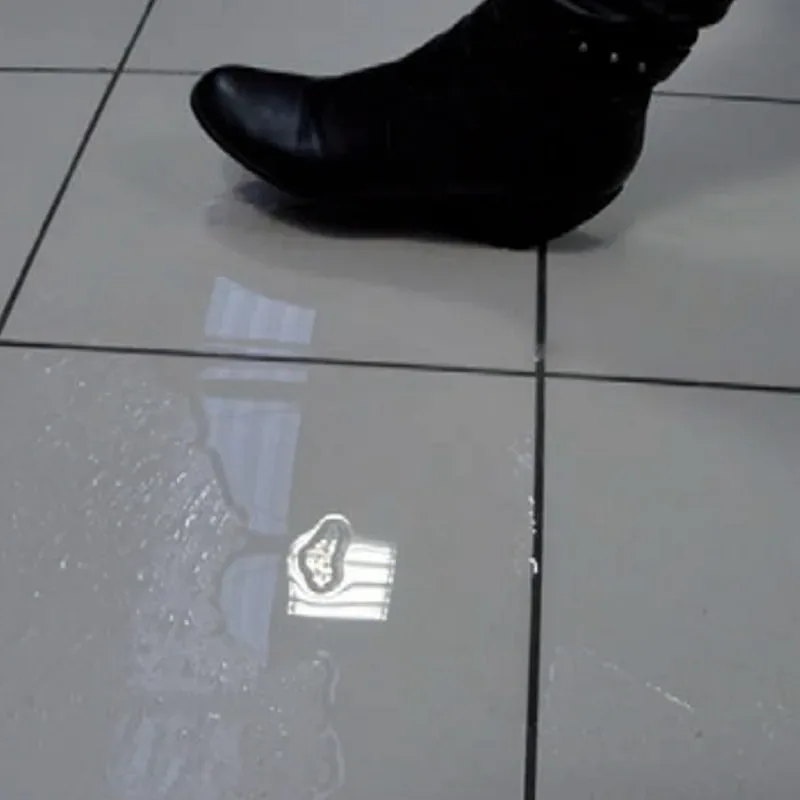
4. Floors that are too slippery
Entrances, bathrooms, pool surrounds and polished surfaces can become slippery with water or moisture. A permanent anti-slip treatment creates an invisible microporosity that increases grip without changing the appearance of the surface.

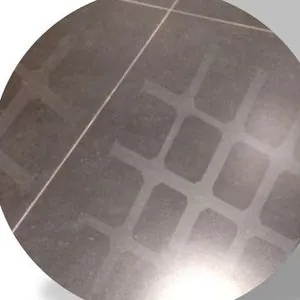
5. Blackened grout joints
It is often the grout, not the tile, that makes a floor look dirty. Protecting it immediately after installation keeps it clean for longer.
Solutions from the ceramic line
 End of jobCER CLEAN ULTRAAcid cleaner for site dirt that does not damage porcelain stoneware.
 Packaging marksCER CLEAN MARKSRemoves the marks left by the back of the tiles in the packaging.
 Shade variationsCER COLORRevives or restores the colour of ceramic and hides shade defects.
 Stains and fingerprintsCER PROTECT / CER PROTECT KStain-repellent for porcelain stoneware and ceramics of every finish, also solvent-free.
 Rough finishesCER FINISH / CER FINISH PROFESSIONALDirt-repellent finish for non-glossy ceramics; the Professional version withstands machine cleaning.
 SlipperinessCER SLIDEPermanent anti-slip for ceramics and porcelain stoneware, with invisible micro-porosity.
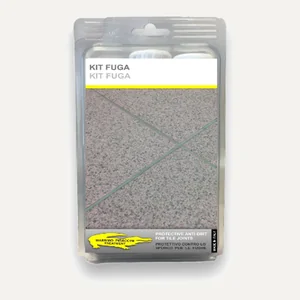 Grout jointsKIT FUGAProtects grout joints from dirt and blackening.
· end-of-job cleaning with a product specific to porcelain stoneware (not generic acids);
· stain-repellent protector or dirt-repellent finish depending on the finish;
· anti-slip treatment in high-risk areas (entrances, bathrooms, pool surrounds);
· protection of grout joints.
Choose the right cycle for your project
Tell us the type of porcelain stoneware, the finish and the intended use: we will suggest the complete cycle, from the job site to maintenance.
Ask for technical adviceSee the ceramic line

